Showing posts with label #WWI. Show all posts

Tuesday, May 6, 2025

Sarah and the Horses of WWI


I have a new book releasing May 22. It takes place during and immediately following World War I. 

This story grabbed onto my heart and didn't let go even after I finished writing it. 

Part of the reason was due research the animals who were killed during the war. Approximately eight million horses and mules died in World War I. My brain doesn’t even want to wrap around that number.


World War I required hundreds of thousands of horses and mules to pull and pack artillery, supplies, communications, medical supplies and ambulances, and engineering services, as well as to carry the cavalry. When the war began in 1914, Europe did not have enough equines to support massive armies. France, England, and Germany looked to other nations to shore up their numbers of horses, mules, and donkeys.

British and French purchasing agents and their staff came to North America in search of horses. They selected animals based on size, breed, and type from specific regions, shipping them mainly from Newport News, Virginia, and Montreal, Canada. Ships were modified with stalls and fodder storage. By the fall of 1917, more than half a million American horses and mules had been sent to Europe for service.

When the United States entered the war in 1917, a single American Army division required approximately 7,700 horses. The AEF struggled to field adequate equine power in France. Between the U-boat threats, the urgent demand for soldiers and the supplies that had to go along with them, insufficient remounts, and an equine epidemic that came in 1917, it was hard to keep up with the demand. More than 1,000 horses were cut from divisional allotments with plans to cut an additional 2,800 more by motorizing divisional artillery regiments. To supplement the number of American horses, many wild horses were rounded up from southeastern Oregon, Nevada, and northeastern California.

One article reported an estimate of 500 American horses being shipped every day and a half in the last months of the war.


The animals faced the same hardships and challenges as the troops: miserable conditions, poor food, injuries, and poisonous gas. Because there weren’t enough ships available to haul everything the Americans needed, when a choice was made between supplies for humans or animals, the humans won, of course. But it meant that there were animals that starved to death. Animals that needed medical treatment didn’t receive it due to lack of equipment, staff, or animal hospitals.

The U.S. Army Veterinary Corps was established in June 1916 with the National Defense Act. At the beginning of World War I, there were approximately 70 veterinary officers and no enlisted men. As the war progressed, the numbers grew to 2,312 officers and 16,391 enlisted personnel. In August 1918, the American Veterinary Corps officers assumed key AEF staff and command posts in the Quartermaster Corps, combat divisions, and corps. However, there was a decided lack of American animal hospitals, veterinarians, and needed supplies.
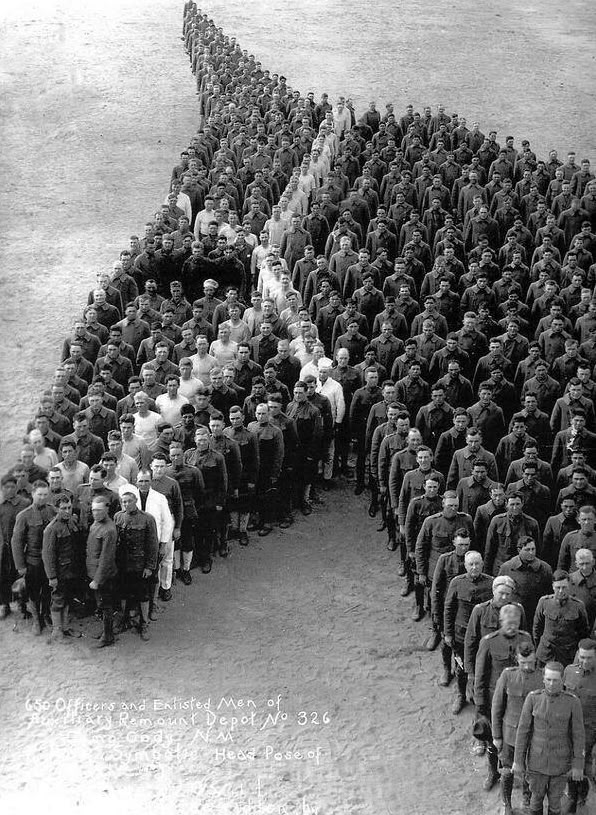


Even before the war ended, efforts were underway to commemorate the sacrifices of the animals lost during the war. Today, there are monuments to the service of the horses, mules, and donkeys of World War I to honor the critical role they played in the success of the Allies.


I chose a Kiger Mustang for the hero in my story to bond with because the horse is unique to southeastern Oregon, and Keegan would have reminded him of home. On a fun side note, a Kiger mustang stallion named Spirit was the inspiration for the DreamWorks film “Spirit: Stallion of the Cimarron.”

Keegan is a combination of several horses I read about that were incredibly brave and courageous during the war, like Warrior, a thoroughbred owned by British General Jack Seely. Warrior became one of the most famous horses from World War I.

If you have plenty of tissues on hand and don’t mind a heart-wrenching story, Steven Spielberg’s War Horse is a gripping and emotional movie about one horse’s journey through World War I and the young man who loves him.

Sarah releases May 22, but you can pre-order your copy today.


She desires his heart. 
He longs for her love.
Can they find common ground when he returns forever altered by the war.


In a world turned upside down by World War I, all Sarah Richards desires is to love Brett Rawlings and build a future together. After graduating high school a year early, she’s ready to dive into her dreams of college and a home filled with laughter and love. But one impulsive decision threatens all her aspirations—as well as her relationship with Brett.

As the war rages on and men head off to fight, sixteen-year-old Brett reluctantly follows his twin brother, Ben, sneaking off to France to join the American Expeditionary Forces. As the months pass, Ben thrives amidst the chaos of battle, while Brett finds himself haunted by the girl he left behind and the uncertainty of his own heart. When Ben reveals a life-altering secret, the bond between the brothers is shattered, forcing Brett to grapple with betrayal as he faces the brutal realities of war.

Brett returns home a changed man, burdened with memories too heavy to bear, yet yearning to mend the fractures of the past. Will Sarah still be waiting for him, or have time and truth forged an unbridgeable chasm between them?

Find out in this heartfelt historical romance that weaves a tale of hope, grace, forgiveness, and sweet, enduring love.


USA Today Bestselling Author Shanna Hatfield is a farm girl who loves to write character-driven romances with relatable heroes and heroines. Her sweet historical and contemporary romances are filled with sarcasm, humor, hope, and hunky heroes.

When Shanna isn’t dreaming up unforgettable characters, twisting plots, or covertly seeking dark, decadent chocolate, she hangs out with her beloved husband, Captain Cavedweller.

Shanna is a member of Western Writers of America and Women Writing the West.


Tuesday, August 6, 2024

Sugar Rations and World War I


In 1917, the United states Food Administration was created, and headed by Herbert Hoover (who would later become president).
As America entered World War I, a campaign was launched to encouraged Americans to conserve wheat, meat, sugar, and fats so those items could be sent to overseas to the troops.


Even children were encouraged to do their part. There were meatless Mondays, wheatless Wednesdays, and encouraged people to eat corn and not wheat, and consume more fruits and vegetables. The Food Administration suggested alternatives to white sugar, like honey and molasses. 

They came up with slogans like "when in doubt, eat potatoes. To keep transportation free for carrying war supplies, Americans were encouraged to buy local or grow liberty gardens. 


Sugar became rationed, with a two pound per month per person limit, then was later relaxed slightly to provide more sugar for things like home canning, etc.  Shoppers had to present a card issued by the county food administrator to purchase sugar, and retailers and wholesalers had to sign certificates stating they would follow the food laws.

Cutting back on sugar wasn't easy for a country with a serious sweet tooth. Reportedly, the average American in 1916, consumed 85 pounds of sugar! Some people saw an opportunity to take advantage of that.

In August 1918, the Oregon State Food Administrator issued a proclamation that stated all grocery stores were limited to sell two pounds of sugar per tourist, and their names and addresses had to be collected. An arrest was made by the Pendleton law enforcement when two “tourists” were found to be buying sugar everywhere using fake names and addresses, and reselling it at a higher price out of their automobile.

That's the kind of historical tidbit I had to work into a book. So I did.

You'll find mention of it in my new historical romance, Molly. 


Here's a little snippet from the book. It's in a letter from Molly's father to her:

Kade and I tracked down some regular hardened criminals the other day. The State Food Administrator had sent out word that people were traveling from town to town, buying up sugar and reselling it at a considerable profit. A proclamation put a limit on all grocery stores to sell no more than two pounds per person, and the grocers have to record their names and addresses. Anyway, we got a call from Mr. Johnson that he had two questionable shoppers trying to buy more than their limit of sugar. When we investigated, we found the back of their car loaded with sugar and hauled them to the jail. It was a “sweet” ending to that problem.


She longs to make a difference.

He yearns to claim her heart.

After years of managing the Pendleton telephone office, Molly Thorsen answers the call for women to serve as telephone operators during World War I. Upon her arrival in France, she navigates the challenges of working near the front lines and battles the prejudices and skepticism of the men around her. Determined to prove her worth and skill, Molly faces adversity head-on while unexpectedly falling in love with a charming soldier.

Friday Fitzpatrick may not have been eager to engage in combat, but when he is drafted into the American Expeditionary Forces, he embraces the role of a soldier with unwavering determination. While fighting to survive the harrowing battlefield experiences, he clings to his sanity by dreaming about the captivating Hello Girl who has captured his heart. Though his opportunities to see her are limited, she serves as a beacon of hope in the midst of his darkest days.

Through their shared experiences and the trials they endure, Molly and Friday find comfort and encouragement in each other's company, forging a connection that defies the chaos of a world in conflict. As the war draws to a close and they return home, will civilian life bring them together or pull them apart?

Find out in this sweet and wholesome historical romance filled with hope, faith, courage, and love.  


USA Today bestselling author Shanna Hatfield is a farm girl who loves to write. Her sweet historical and contemporary romances are filled with heart, humor, hope, and hunky heroes. When Shanna isn’t dreaming up unforgettable characters, twisting plots, or covertly seeking dark, decadent chocolate, she hangs out with her beloved husband, Captain Cavedweller.

Shanna loves to hear from readers. Follow her online at: ShannaHatfield | Facebook | Newsletter

Tuesday, August 3, 2021

A Bovine Mix-Up


I love diving into research for the sweet romances I write. Recently, while I was combing through old newspapers from 1917, I happened upon an article that made me laugh as I pictured the story unfolding. 

Since 1910, the town of Pendleton, Oregon, has hosted the Pendleton Round-Up every autumn (except during World War II). Even back in the early days of the event, the rodeo committee contracted out the stock, meaning they hired people to bring in the horses and cattle used in the events. 


According to the article, the rodeo committee had contracted with a man named Jenks to purchase a train car load of  "long-horned, spider legged steers" from "the border."  

The animals were reputed to be the "real article" and better stock than previously used at the Round-Up. 


A few days later, another article ran on the front age of the paper. This one titled "Round-Up Given Wrong Steer - Milk Cows for Bulldoggers." 

See why that got my attention? 

I did a double-take and went back to read the article. 

It seems Jenks and a train car load of bovines arrived in Pendleton. Proud of his success in getting them there, Jenks had gone to the Hotel Pendleton where he was settling in when he received a telephone call. He picked up the phone to find the livestock director on the phone. 

"Say, were you crazy, or drunk, or asleep when you bought those steers?" Sam, the livestock director asked.

Jenks took slight offense at the opening line of the conversation, demanding to know what prompted the question.

"How in the name of Lucifer and Long Tom do you think we are going to hold steer roping and bull dogging contests with a bunch of milk cows, and muley cows at that?" Sam asked. (I think a conversation with Sam would have been incredibly fascinating!)

Reportedly, Jenks exploded with fury, swearing in three languages, and accusing Sam of not knowing the difference between a Mexican steer and a horned toad, if he couldn't see the train car load of bovines were the wildest, most rangy beasts to ever arrive in town.

At this point, I pictured the telephone operator who was likely listening to the heated conversation, perhaps even appalled by the salty language being used, but not disturbed enough to keep from sharing the story with a reporter. 

Anyway, Jenks and Sam went to the depot where there was, indeed, a train car full of docile half Jersey, half dehorned shorthorn cattle instead of the roughest, toughest steers Jenks could find. 


After some investigation, it was discovered the car load of steers ended up a few hours south of Pendleton where a dairy farmer had purchased the cows. Oh, I would have paid money to see the look on his face when they opened that train car door and out came the wild steers! 

Sometimes real life is far more entertaining than anything I could make up. I just love stories like this. And I love incorporating factual historical details into my sweet historical romances. 

You can read more about this little tidbit and others in my upcoming release Sadie


Inspired by the true stories of women who served in France during World War I, Sadie is a sweet romance filled with courage, hope, and lasting love.

She yearns for far-flung adventures. He longs for the home he’s found in her heart. 

Will a world at war tear them apart, or draw them closer together?

For most of her life, Doctor Sadie Thorsen has imagined seeing the world on grand adventures. When America joins the war raging across the world in 1917, it seems her dreams are about to come true. She travels overseas as a contracted physician, eager to do her part, and hoping to encounter the man she loves. Endless streams of wounded push her to the limits of endurance, then she receives word Harley John Hobbs, the man who owns her heart, is missing in action. Unable to bear the thought of life without him in it, she refuses to let go of her hope that he’s alive.

 The day Sadie Thorsen shoved Harley John Hobbs down on the playground was the day she marched off with his heart. He spent years doing everything in his power to become successful, determined to have more than himself to offer Sadie if she ever returns to their eastern Oregon town. Conscripted to join American Expeditionary Forces, Harley John answers the call and heads to France. Wounded and alone, he clings to the promise of seeing Sadie one last time.

Can deep, abiding love withstand the tragedies and trials of a world at war?


Pre-order Sadie today!