Let's face it. When you think of a "western" the first image you have is dirt. Horse manure and dust from carriages and wagons. Mud when it rains. Ugh.
I have a scene in my Double Series sequel where the heroine gets plastered with mud. Oh, sure, grab the bath tub. Wash her hair. With what? Time to research. I read that soap made of lye and ashes was pretty harsh and left a film, but it worked to a point. Then I wandered into other research territory (as usual) in terms of what a lady would resort to in terms of keeping herself as ladylike as possible.

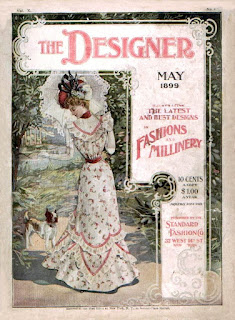
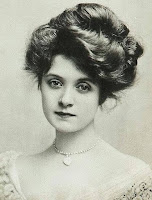
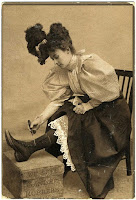
The visible signs of a lady in the 1800s, given the neck to ankle coverage in clothing, had to do with hair, complexion and hands. Many westerns I've read have women wearing their hair flowing over their shoulders -- heaven forbid! One badge of womanhood (besides the embarrassing secret of the menstrual cycle, of course) was a girl pinning up her hair and lowering her skirt hems to the shoe-tops or the floor. And ladies had many ways of utilizing hairpins, ribbons, combs, flowers both real and made of ribbon, switches of hair if God didn't gift them with luxurious tresses, etc. Women almost never cut their hair, and some women had hair long enough to sit on.
How often did women wash their hair? Seldom, from what little I've found in research. If anyone can point me to a book or website, let me know! Shampoo wasn't formulated until the late 1800s. Women used soap, vinegar rinses, mineral oil, whatever they could get their hands on to get dust, dirt, bugs, etc. out of their hair. I still remember my grandmother talking about brushing her hair 100 times each night when she was young.
Let's move on to complexions. Women of the 1800s who wore greasepaint and rouge were either actresses in the theater or 'fallen women' -- and many people considered them one and the same. Who remembers Scarlett O'Hara pinching her cheeks and biting her lower lip in the movie
Gone With the Wind? That's about it.
Real ladies kept their skin white, without blemish or freckles. Middle and upper class women bleached their skin if necessary and kept out of the sun. Woe to western pioneer women who worked out in the sun and wind, since sunbonnets were of little help. And ladies always wore hats and gloves to go out, throughout the 1800s until the mid-1960s.

This leads to how often did a lady bathe. Wealthier ladies might have a real tub and servants to carry water, but I'd guess they might bathe once or twice a week. Poorer women might have a washtub for a once a week bath, if that, depending on how plentiful water would be. Daily sponging for cleanliness made more sense.
Most clothes were not washed more than once a week. Ladies' skirts and dresses dragged on the ground and collected dirt and other grime. "Monday is Wash Day, Tuesday is Ironing Day" -- I still remember that little ditty. And everything (and I mean everything given the cotton and muslin fabrics) from underclothes and outer clothing, to linens, handkerchiefs, kitchen towels, etc., would be wrinkled and in need of ironing. No wonder it took all day. If you could afford a laundress, lucky you!
Let's face it. Women had it rough 150+ years ago without today's modern conveniences of vacuums, showers and shampoo, washers/dryers and dishwashers.
Here's the excerpt from the sequel to Double Crossing, coming soon -- titled Double or Nothing -- after Lily is covered in mud and heads home.
Once upstairs in my bedroom, I stripped every bit of clothing off with a weary sigh and tied a wrapper around my waist. My hairpins seemed to be plastered into place. I pulled one out and dislodged a hunk of dried mud. Ugh.
Etta knocked. “I’ve heated water. Let me have your clothes, miss.”
“There’s no use salvaging them.”
“Now, Miss Lily. Your uncle explained everything. It’s not your fault what happened,” she said and bent to gather the filthy clothes. Etta held out a small bowl with creamed paste. “Your favorite type—lavender, honey and a bit of oatmeal. Cover your face and hands with that, and I’ll mix some fresh beeswax with rose hips and almond oil when you’re done.”
I sank into the hot bath water in the screened alcove. Once I scrubbed all over, Etta washed my hair and brought fresh water to rinse all the dirt out. She poured a mixture of rose-scented mineral oil and massaged it into my curls. The room’s chilly air sent shivers up my spine. I slathered my face and hands with cream, slipped into my nightdress and crawled into bed...

Meg Mims is an award-winning bestselling author and artist. She writes blended genres – historical, western, adventure, romance, suspense and mystery. Her first book, Double Crossing, won the 2012 Spur Award for Best First Novel from Western Writers of America and was named a Finalist in the Best Books of 2012 from USA Book News for Fiction: Western. She also wrote two contemporary romances, The Key to Love and Santa Paws. Follow her on Twitter (@megmims), on Facebook and her website blog.