Tuesday, June 14, 2022

The books, stories, and cemeteries - What an inspiration

 Post by Doris McCraw

aka Angela Raines

Photo property of the author

Old books! Biographies, diaries! What gifts and insights they afford us. Add to that the current non-fiction and fiction books and you can have an author's paradise.

Why would I want to read more books when I am writing my own? I'll let you in on a little secret I use. When reading I usually have note cards nearby. As I'm reading and something catches my eye I will take and write it on a notecard. Additionally, when I'm reading a story there will sometimes be a secondary character that I want to know more about. I usually will check and make sure that the author has not told their story, then I will change their name until the story that I want to read about what happened to them.


Photo property of the author.

When it comes to nonfiction books and newspapers, I many times find situations that sparked my imagination. Oh, the stories that could come out of my mind if I had the time to write them all. Usually what happens is I have made note of that information but if it doesn't stay in my mind then I'm not ready to tell that story. The same goes for walks in the cemetery.

Since I enjoy adding true events to my work these notes can be incredibly valuable. Here are a couple of quotes that sparked my interest:

from the book, "a beautiful composition of broken" by rh sin

"where is the benefit

of going to war for someone

would rather fight against you

instead of beside you"

Photo property of the Author.

from the same book

"…

But the things

we force ourselves to forget

creep up beside us

in the middle of the night"


So the next time something resonates with you, make a note. You never know where it will take you.

Until next time, happy reading and make sure to check out Julie's catalog of books and stories. You will not be disappointed.


Sunday, June 12, 2022

There’s No Crying on Horseback - by Jan Scarbrough


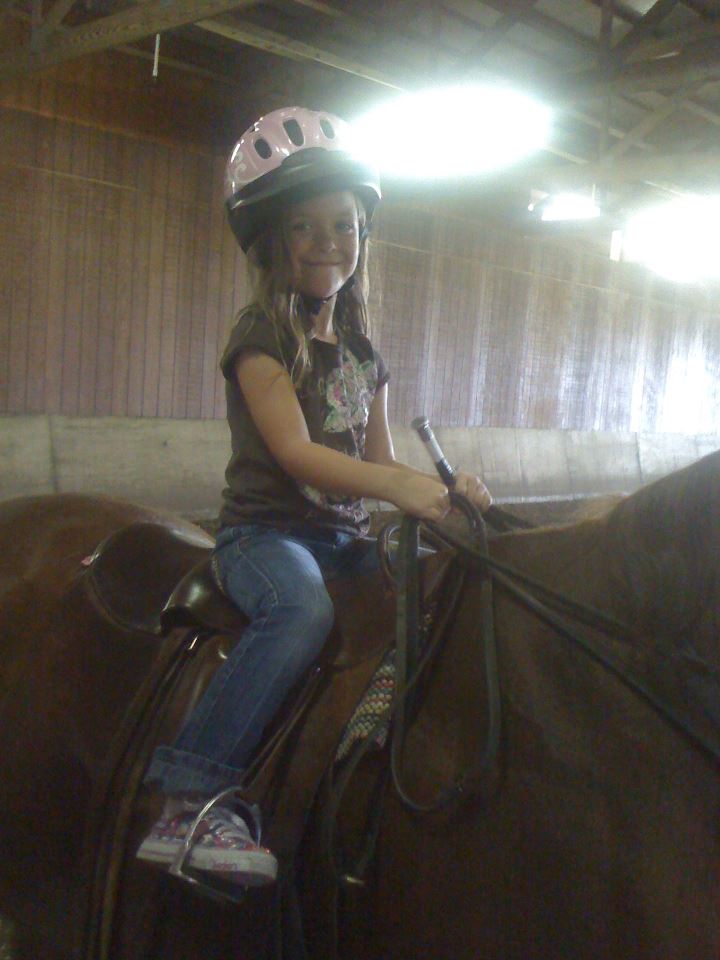
When my granddaughter was five and started taking horseback riding lessons, she learned that “there is no crying on horseback.” If the horse goes a little too fast, you don’t scream and cry—you do what you need to do to slow the horse like pulling back on your reins or putting your seat firmly in the saddle. And when you fall off, unless you’re hurt, you brush yourself off and climb right back into the saddle.

This is an important lesson for all of us to learn. My dad had his own way of saying it. If I’d scrape my knee or fall from a bike, he wouldn’t give me any sympathy. “It makes you tough,” he’d tell me. I’d go away pouting, but I learned.

Life is tough. No matter how hard we try today to make life “fair” and create an atmosphere where our children can develop good self-esteem, life has a habit of knocking us off our feet. We have a choice when that happens. Do we pick ourselves up and go on, or do we pout, cry and give up?

It’s not too early to learn about the bumps and scrapes life can dish out. It’s not too early to develop the “pick yourself up” attitude. Have you learned it?

My granddaughter has—at least about horseback riding. When my granddaughter was six, she had learned to love her riding lessons. I think she’s a natural! Anyway, a few weeks ago as she was riding around a corner of the arena, her horse shied away from the wall. My granddaughter continued going in a straight line and toppled right off the saddle.

She landed on her butt, rolled, scrambled to her feet, and rushed to capture her horse’s reins.

There’s no crying on horseback, you know.


Friday, June 10, 2022

This I Remember

Thanks for the warm welcome last week! Your comments contained two requests regarding favorite topics--how I research my books and life in the 19th century. This week, I'm going to post about the latter.


My great grandfather on my father's mother's side died when I was a child. As I got older and learned more about his life, I discovered he was an impressive man. (You can read about his many accomplishments and how he used a fast horse to elope with the love of his life here.) He only had a 3rd-grade education, but he was quite successful.

Papa, as he was known to us, was born in 1875 and lived to be nearly 100 years old. I'm lucky that members of my family interviewed him and compiled a book about his recollections of life in the 19th century. I'm posting an excerpt today.

This I Remember 

by William Edgar Whitten

Shoes were patched the same as clothes.

Every farmer raised his own cane and made his own syrup.

Although unexpected company came to see us, Mother would have plenty to eat--chickens, ham, jelly, preserves, etc.

Wagons had no brakes, and when you went down a steep hill, you had to lock one of the hind wheels with a chain and drag the wheel to the bottom of the hill to keep the wagon from running over the team.

A man worth $10,000 was considered a rich man.

A Singer sewing machine cost $30.00.

A family raised its own hogs for a year's supply of meat and lard.

The neighbors would all come together at hog killing time and help each other kill hogs.

Milchcows wore cowbells so that the children could find them late in the evening and drive them up to the house to be milked. One of the children would rope the calf and hold it off while the cows were being milked.

Carpets and rugs on a floor were unknown. Mother scrubbed the floors once a week with a big scrub mop made of corn shucks. She would pour water and white sand on the floors and scrub until the floors were white. Then she would pour more water over the floors to wash the sand off. This left the floors clean and beautiful.

###

W. E. Whitten and his wife, Annie.

***


I'm one of the sponsors of  The Kindle Book Review's 'Stars & Stripes' giveaway. Click HERE and enter to win a $300 Amazon gift card - no purchase necessary! 

You can enter multiple times to increase your chances. Just choose the first task on the entry widget to open up the others and follow the instructions. Contest ends July 4th.

***


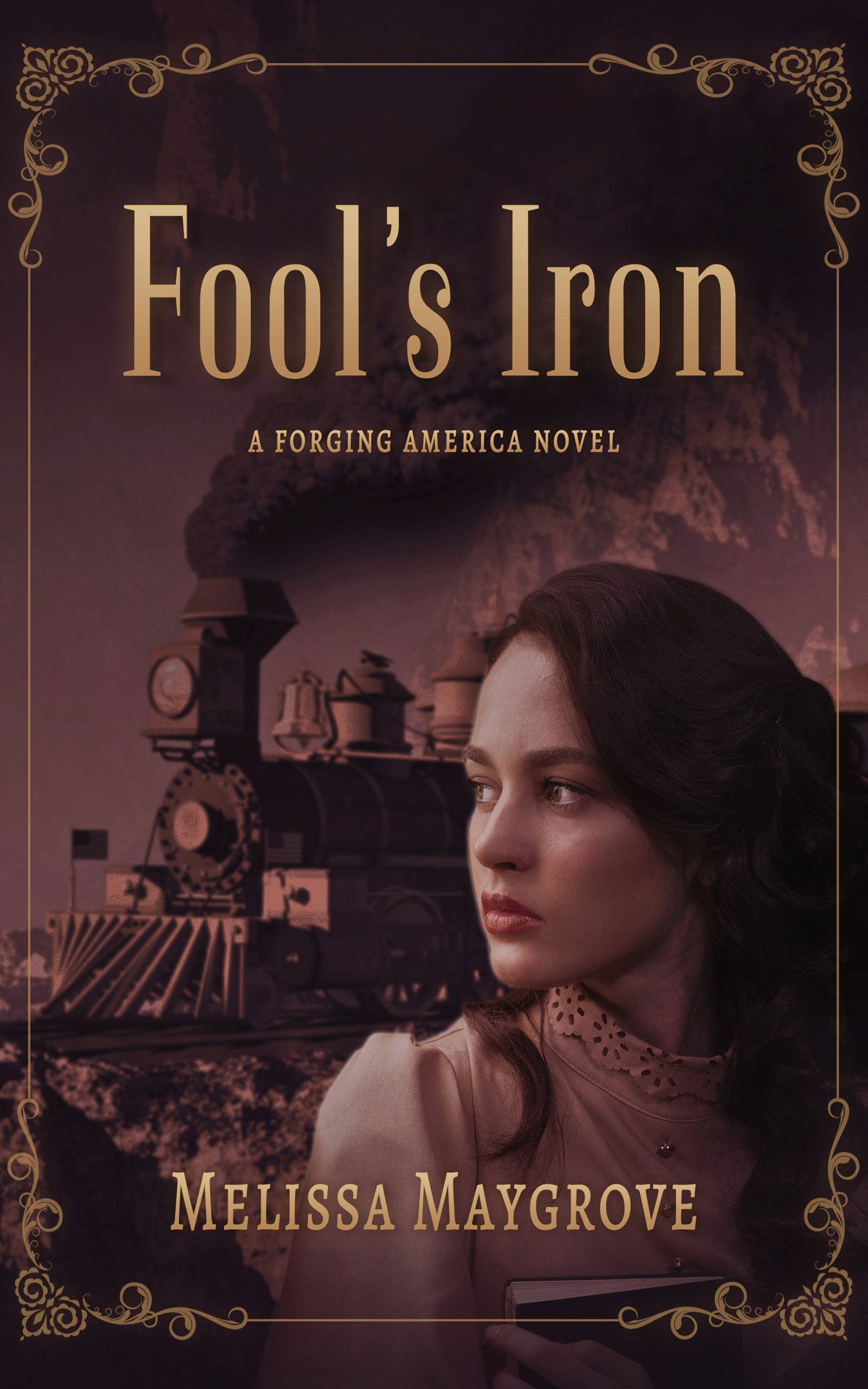
My latest wester historical romance, Fool's Iron, released June 1st. 

You can find out more about it on Amazon.


Thanks for visiting.


Tuesday, June 7, 2022

Lake Bride


When I was writing my sweet historical western Henley, I had a general idea of how I wanted the book to end. 


However, as I was working on the final chapters, I started thinking about Doctor Evan Holt having a place out by the lake. It would make a grand place for a fellow to propose, if he was so inclined. 

As I wrote that scent about Henley and Evan out at the lake, I just wasn't ready to say goodbye to the beauty of the place as I envisioned it in my mind. Neither was I ready to let go of Henley and Evan.

Then I landed on the idea to write a story set at the lake about one of their descendants. My goodness! I had so much fun writing about their great-great-great-grandson! 

Like his ancestors, Bridger Holt is all about honor and service. He's spent two years as a guard of the Tomb of the Unknown Soldier. 

When life takes an unexpected turn, Bridger isn't sure which way to head. So he goes to Oregon to the cabin on the lake he inherited from his uncle. 

While he's there, his ancestors become more than just names on a family tree, and he founds pieces of himself he hadn't even realized were missing. 


Fall in love with a soldier, a nurse, and a small-town adventure brimming with delightful characters, amusing animals, and abiding hope.

Twenty-one steps. 

The past two years of Bridger Holt’s life have centered on the twenty-one steps he repeatedly walks back and forth as one of the sentinels guarding the Tomb of the Unknown Soldier. Now that his duty is coming to an end, Bridger has no idea what to do with the rest of his life. Guilt from his past and trepidation about his unknown future drive him to the mountain cabin he inherited from his beloved uncle to gain clarity and direction. The quirky residents in the nearby town of Holiday, the assortment of wildlife that adopts him, and the woman who shines a light into his tattered soul might be what Bridger needs to find the redemption he seeks.

Outgoing, upbeat Shayla Reeves spreads sunshine wherever she goes. Holiday has become her home, and she enjoys spending time in the mountains around town. She adores the patients in the dementia facility where she works as a nurse. But something is missing from her mostly joyful world. When she mistakenly camps on private land owned by the mysterious and brooding Bridger Holt, she realizes what her life is lacking isn’t adventure but love.

Will two opposite personalities overcome their challenges and figure out a way to build a future together?

Find out in Lake Bride, a sweet love story full of hope, small-town humor, and the wonder of falling in love.

Releasing June 23!

Preorder your copy today!


USA Today bestselling author Shanna Hatfield grew up on a farm where her childhood brimmed with sunshine, hay fever, and an ongoing supply of learning experiences.

Today, Shanna draws on her rural roots to create sweet romances filled with hope, humor, quirky small-town characters, realistic heroes, and women of strength.

When this award-winning author isn’t writing or testing out new recipes (she loves to bake!), Shanna hangs out at home in the Pacific Northwest with her beloved husband, better known as Captain Cavedweller.

Shanna loves to hear from readers. Follow her online at:

ShannaHatfield | Facebook | Newsletter | BookBub | Pinterest | Goodreads 


Monday, June 6, 2022

Counterfeiting U.S. Currency in the 1800’s


By Kristy McCaffrey

In the 1800’s, money in the United States came in many different forms, from gold and silver coins to fractional paper currency (denominations less than a dollar), Treasury notes, and postal currency used for redeeming postage stamps. The first paper currency was issued during the Civil War in the form of “greenbacks.” Individual banks also issued their own currency, called banknotes, in varying denominations, but their value fluctuated depending on the solidity of the bank.


Dealing with these banks was risky for most Americans since there was no insurance on the deposits or government control over how the banks did business. Because of this, banks and paper currency were greatly distrusted. Only gold and silver retained their value, so most people tended to hoard these metals.


Enter the counterfeiters. By the 1860’s, nearly one-third of the currency in circulation was counterfeit. Retailers subscribed to weekly papers showing drawings of the latest counterfeits. Printers of the fake money would sell them to passers, who exchanged them for real currency or goods.


Detecting the counterfeit money was fairly easy, but it was harder to catch the printers. Prior to the Civil War, the Treasury Department used the U.S. Marshal Service to track down the perpetrators. In 1865, the Secret Service was established as a bureau in the Treasury Department to suppress widespread counterfeiting. (Informal part-time protection of the President of the United States—Grover Cleveland—began in 1894. By 1902 the Secret Service assumed full-time responsibility for the safety of the President.)

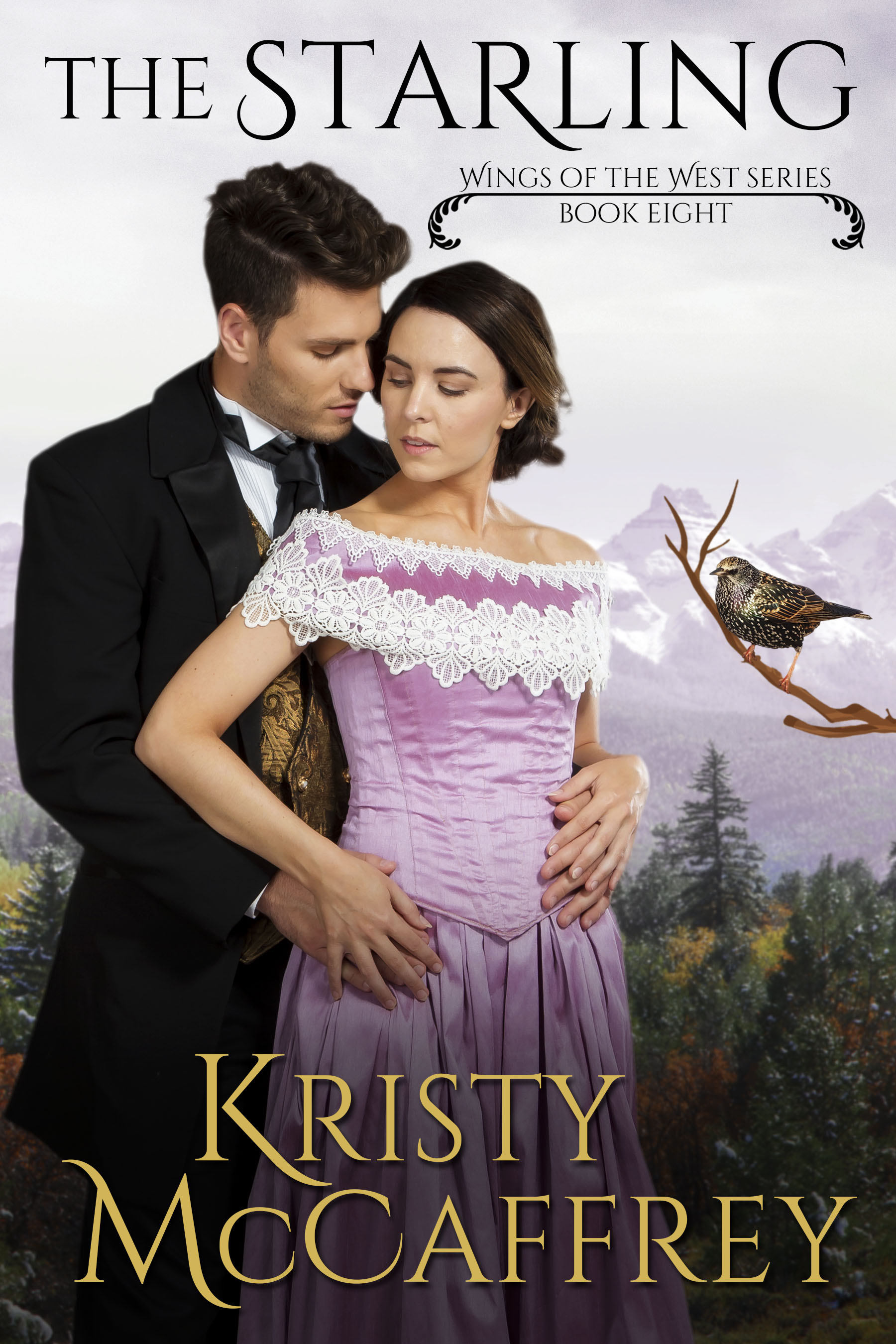
In my upcoming release THE STARLING, Pinkerton Detectives Henry Maguire and Kate Ryan have been hired to uncover a counterfeiting scheme in Trinidad, Colorado, in 1899.

* * *

Colorado 1899 

Kate Ryan has always had a streak of justice in her. When she decides to apply to the Pinkerton Detective Agency, nothing will stand in her way. Initially hired in a clerical position, she quickly works her way up to field agent with the help of her mentor, Louise Foster. When Louise is injured, Kate gets her first assignment and the opportunity of a lifetime. 

Henry Maguire has been undercover in the household of wealthy entrepreneur Arthur Wingate. Employed as a ghostwriter to pen the man’s memoir, Henry is also searching for clues to a lucrative counterfeiting scheme. When Henry’s “wife” shows up, he’s taken aback by the attractive woman who isn’t Louise. Now he must work with a female agent he doesn’t know and doesn’t necessarily trust. And because he has another reason for coming into Wingate’s world, Kate Ryan is unavoidably in his way.

Kate Ryan is the daughter of Matt and Molly from THE WREN, and THE STARLING is the first of five novels featuring the second generation of Ryans in the Wings of the West series.

* * *

Coming August 2, 2022

Pre-Order Now

Excerpt from The Starling

 “Your wife has arrived, sir.”

My wife ….

What the hell? Louise was here? Now?

Jonesy had agreed that Louise Foster would be summoned when Henry sent word. And he hadn’t sent word. Dammit.

“Of course,” Henry replied. “Thank you.”

“Please follow me, sir.”

Henry thought of abandoning the drink he’d been nursing for the last hour, but instead kept it as he followed the valet through clusters of people and the low din of talking and laughing. In fact, he took a large gulp as he walked, to soothe his nerves. Sometimes his own rules needed to be amended. This wasn’t a disaster, he reminded himself. Louise was a good field agent, one he’d worked with more than once, and he respected her abilities. She was also his friend, one of the very few along with Jonesy. If she were here now, there must be a good reason. While his cover had included a wife, Henry rather liked working alone, and he’d told Jonesy that Louise could join him when it seemed necessary. And it hadn’t been necessary … yet. But apparently Edgar Jones had pulled rank, thinking differently.

As Henry entered the foyer, his gaze landed on a young woman in a stunning blue gown, curls of dark brown hair accenting her oval face, her figure lithe and youthful. Her reserved countenance indicated her discomfort as she conversed with Arthur’s wife, Lottie, near the front entrance, and Henry couldn’t help but feel sympathy for her. Lottie Wingate had been mostly unwelcoming to him.

The young woman’s poise drew his eye and for a moment, Henry considered what it would be like if he weren’t working, if he could simply pursue a conversation with an attractive woman. He had purposely not set down roots. His work made it impossible. Well, not impossible. He’d simply never met a woman who could turn his attention from his job.

And hell if that didn’t remind him that he was more like his old man every day.

He pushed aside the memories of the last time he’d seen his father, of the terrible fight they’d had, of the anger that had pulsed white hot within Henry.

Instead, he focused once more on the alluring distraction of the woman in blue, and then, reluctantly, he peeled his eyes from her and searched the foyer for Louise, but she was nowhere to be seen.

“She must have stepped into another room,” Henry said to the valet.

“No, sir.” The young man stopped and gave a nod toward Mrs. Wingate and the striking woman beside her.

Henry endured a brief state of confusion, an unnatural occurrence since he kept everything in his life compartmentalized and in order.

Recovering quickly, he said, “Of course, thank you. I must need my spectacles this evening.” He left the valet before he was forced to converse further, giving even more opportunities for a slip up. He walked slowly to the two women, since he wasn’t certain what he should say. Clearly, the valet had been misinformed.

Henry glanced over his shoulder, confirming the man had left the foyer. With the all-clear, Henry shifted his path to miss the two conversing women, although a twinge of regret flared. A small part of him wondered what would happen if he struck up a conversation with the woman who drew his gaze with such ease. But now wasn’t the time for personal interests. Just as he passed within three feet of the women, a voice rang out, “Gilbert! Darling!”

Henry stopped and faced the woman who had in a brief span sparked such an intense interest in him. She’d used his alias. It all became clear in an instant.

She was his wife.


Friday, June 3, 2022

A Room with a View ~ Raine Rochelle


Do the conditions in which you write make a difference to your stories? I’m sure someone somewhere has undertaken a lot of painstaking research on the matter resulting in an abundance of analytical data. My thoughts on the subject? Maybe. 

I live in a small cottage, which is a barn conversion, on a large farm. My rooms have thick, wooden beams on the ceilings, some of which still contain old hooks and chains, etc, which must have originally served a purpose. Now, though, they come in extremely handy when hanging my Christmas decorations, and offer some good conversation pieces for my visitors. (see below)


My L-shaped writing area surrounds a window, as I prefer natural light to work in, and a view to gaze at while plotting or procrastinating. Just outside the window is a small courtyard with a stone wall lining a field on one side. The field can be seen through the metal fence, as can the far-reaching countryside beyond it. A large horse chestnut tree over hangs the wall, its seasonal blossoms falling like snowflakes, and later the conkers gleaming from their broken shells as they lay strewn across the courtyard. Right now, it’s huge, hand-shaped leaves are thick and luscious; a deep green colour that I know will change with the seasons. I love trees, and this one is very majestic and beautiful.


Further in the distance the countryside gives way to the rolling hills that cradle the area. Hills I keep promising myself I’ll climb one day, but haven’t yet got around to doing so.

It’s easy to imagine cowboys riding over the undulating terrain, and horses grazing in the lush fields and lowlands. In actuality, the farm is arable, with crops taking up the fields that aren’t left fallow for the season, and there is more likely to be sheep on the hills, although, in some places away from the farm, horses are left to graze on the pasture. Being near the Welsh border means we get our fair share of rainfall, which gives the grass and crops a lush, greenness which isn’t quite as prevalent in other areas.

In all, although not strictly necessary, I think living so far out in the country makes writing cowboy romances an easy choice, and, although imagination and creativity can carry a writer a long way, I think the inspiration that comes from this area definitely helps my stories. I hope you enjoy reading them as much as I love writing them.

Raine x

https://www.amazon.com/gp/product/B08NCHVJGQ 


I

Wednesday, June 1, 2022

Businessman Spencer Penrose ~ Julie Lence


Spencer Penrose
courtesy of Wikipedia

One of the most notable buildings in Colorado Springs is the Broadmoor Hotel, a 5 Star resort that sits below Pikes Peak. Complete with its own pond and golf course, the hotel has hosted major golf tournaments as well as local banquets thanks to its founder, Spencer Penrose. The 5th of seven sons, Penrose was born November 2, 1865 in Philadelphia. His father, Richard Alexander Fullerton Penrose was a doctor and founded Children’s Hospital of Philadelphia. His mother, Sarah Hannah Boies, favored the simple life. Spencer and his siblings attended Harvard, but unlike his brothers who graduated with high honors, Spencer graduated at the bottom of his class. He didn’t have the academic drive to become doctors or lawyers that brothers did. Rather, the west and frontier life beckoned him and after graduating, he made his way to Las Cruces, New Mexico where he opened several business and sold them for just enough to cut his losses and move on to something else. In 1892, his brother, Richard and childhood friend, Charles L. Tutt (who was a real estate developer in Colorado Springs), informed him of a potential gold rush in Cripple Creek, Colorado. Penrose made his way to Colorado, where Tutt loaned him the money to buy a ½ stake in Tutt’s Cripple Creek real estate business, to include the Cash on Delivery Mine. The mine was one of the most successful in Cripple Creek, thus solidifying Penrose and Tutt’s partnership that took them to a new business of ore processing in Old Colorado City.     


courtesy Colorado Springs 
Gazette

To become successful in ore processing, Penrose and Tutt sold their Cash on Delivery Mine, formed a new company, Colorado-Philadelphia Reduction Company, and brought in partner Charles Mather MacNeill. MacNeill was considered an expert in ore processing and in 1899, the three met with success; their plant was treating over 3 million worth of ore from Cripple Creek annually. The trio’s partnership continued (and enabled them to create a mining, milling, and real estate empire) and took them to Bingham Canyon, Utah where they followed the advice of Daniel C. Jackling regarding success in mining copper deposit. A survey of the canyon’s ore deposit revealed the deposit contained 2 percent of copper that could efficiently be extracted from the ore. Penrose formed the Utah Copper Company in 1903 and worked with a new team to design a mill to extract the copper at a rate that was considered extremely fast, but the gamble paid off and Penrose and his team mined and milled more copper than imaginable. His success in Utah led him to invest in copper mining in Arizona, New Mexico and Nevada.


Julie Penrose
El Pomar Foundation

Having made a sizeable fortune in the mining industry, Penrose returned to Colorado Springs. It was here that he met widow Julie Villiers McMillan. The two became friends and later married April 1906 in London, England, despite Penrose claiming he would always remain a bachelor. Spencer and Julie honeymooned throughout Europe. Their stay in grand hotels inspired Spencer to build his own in Colorado Springs. Before that occurred, Spencer and Julie bought and renovated a home near a close friend, to include adding two stories, marble tiles, carved wood panels and crystal chandeliers, and hiring the Olmsted Brothers to design the grounds around the home. (Today, the home is known as the Penrose House, is on the National Register of Historic Places and free for conferences and other such gatherings.)           


Broadmoor Hotel
Colorado Artifctual

Penrose again partnered with Tutt and the two came up with a plan to build a road to the top of Pikes Peak in an effort to promote tourism. The road cost $283,000 and was completed in August of 1916. That same year Penrose organized the first car race to the top of the peak. (The Broadmoor Pike’s Peak International Hill Climb still runs today, on the last Sunday in June, and competitors are by invitation only). While working on the road to the top of the peak, Penrose also wanted to build his hotel, or rather, purchase the Antler’s Hotel from Colorado Springs founder William Jackson Palmer and rebuild it. But Palmer wouldn’t sell and Penrose ended up buying a site outside city boundaries for $90,000. He hired several architects to design the hotel of his dreams, and after careful consideration, went on to choose a design from the Warren and Wetmore Firm, who are known for their work on Grand Central terminal in New York City. Ground was broken in April 1917 and in June 1918, the Broadmoor hosted its opening ceremony.      

Will Rogers Shrine
Pinterest

 The Broadmoor hotel wasn’t Spencer’s only claim to fame for Colorado Springs. He and Julie were avid supporters to several civic events, including the Cheyenne Mountain Zoo, the Will Rogers Shrine and the Colorado Springs Fine Arts Center, not to mention the Glockner-Penrose Hospital, which was the 1st hospital in Colorado Springs and is now known as Penrose-St. Francis Health Services. Spencer and Julie also founded the El Pomar Foundation to promote the current and future well-being of the people of Colorado. The organization is still in existence today, supporting the Penrose-St. Francis Health Services and operating The Will Rogers Shrine of the Sun and the Penrose Heritage Museum. Spencer Penrose passed two years after founding the El Pomar Foundation. Julie served as president of the organization until her passing in 1956. Both are entombed at the Will Rogers Shrine of the sun. Spencer was inducted into the Hall of Great Westerners and the National Cowboy & Western Heritage Museum in 2001.     


Penrose House
El Pomar Foundation 

Bingham Canyon Copper Pit
SAH Archipedia